Mutualisms in a changing world
We study the mutualisms between fruiting plants and fruit-eating animals with the goals of resolving understudied interactions, examining drivers of interaction structure at the species and individual level, and understanding how these interactions may change in the face of climate change, invasive species and habitat degradation and restoration. We study interactions between the frugivores and plants of Madagascar, as well as those between fruit-eating birds and the fantastically diverse plants of California.
Research
Frugivorous birds in Madagascar’s changing forests
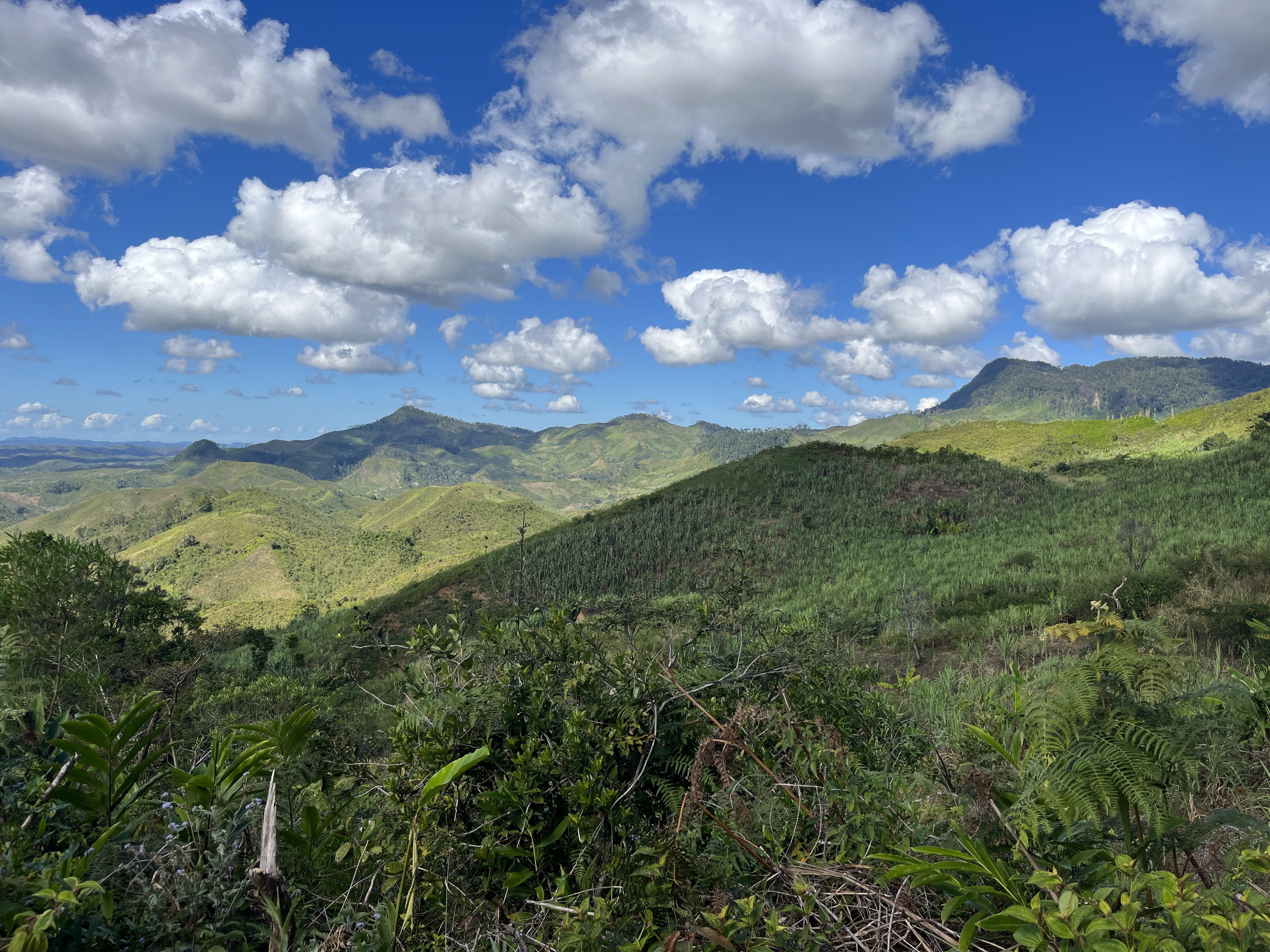
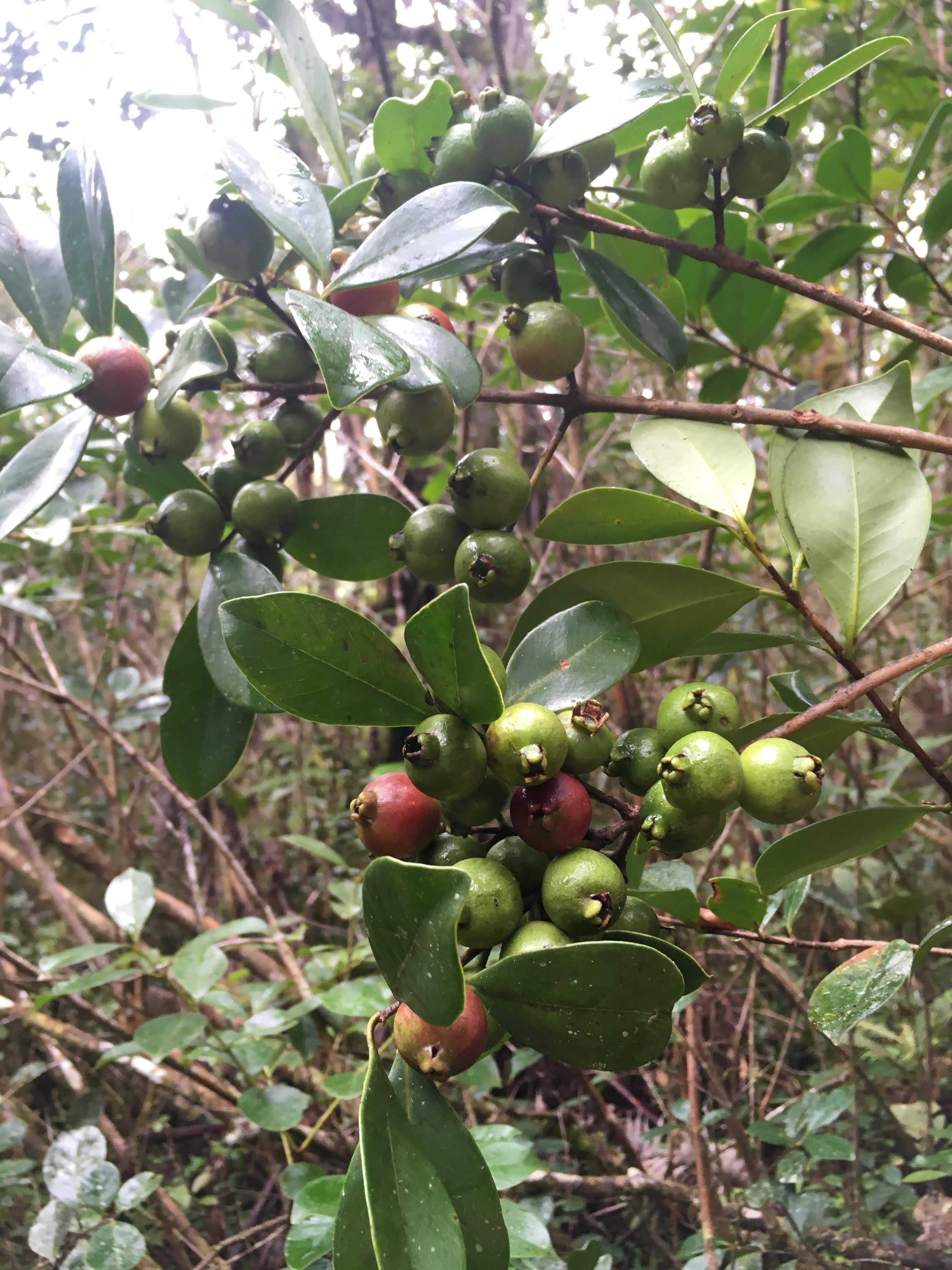
Madagascar’s frugivore communities are best known for their endemic lemurs, yet the ecological roles of the island’s fruit-eating birds remain comparatively understudied. We examine bird frugivory and seed dispersal in degraded and regenerating forests where habitat disturbance and fragmentation have reduced or eliminated large-bodied lemurs, leaving communities dominated by smaller-bodied primates and birds. We combine mist-netting and fecal diet analysis, camera trapping of fruiting plants to capture interactions, point counts, vegetation surveys, and direct observations of bird movement and foraging to determine which birds consume and disperse fruits, the plant species with which they interact, and how these interactions vary across habitats and stages of forest regeneration.
Plant–bird interactions in urban California
In the San Francisco Bay Area, we examine how native and introduced plants contribute fruit resources to resident and migratory birds across a highly modified urban landscape. A major focus is the temporal structure of these interactions: how shifts in plant flowering and fruiting phenology intersect with seasonal changes in bird abundance, migration, and resource use, and how these relationships are changing under climate change. By integrating plant phenology, bird surveys, diet and interaction data, and the distribution of native and invasive plants across urban habitats, we examine when and where plant and bird phenologies align or diverge, whether birds track changing resource availability, and how introduced species may alter the timing and structure of plant–frugivore interactions.
Primate foraging, movement, and forest communities
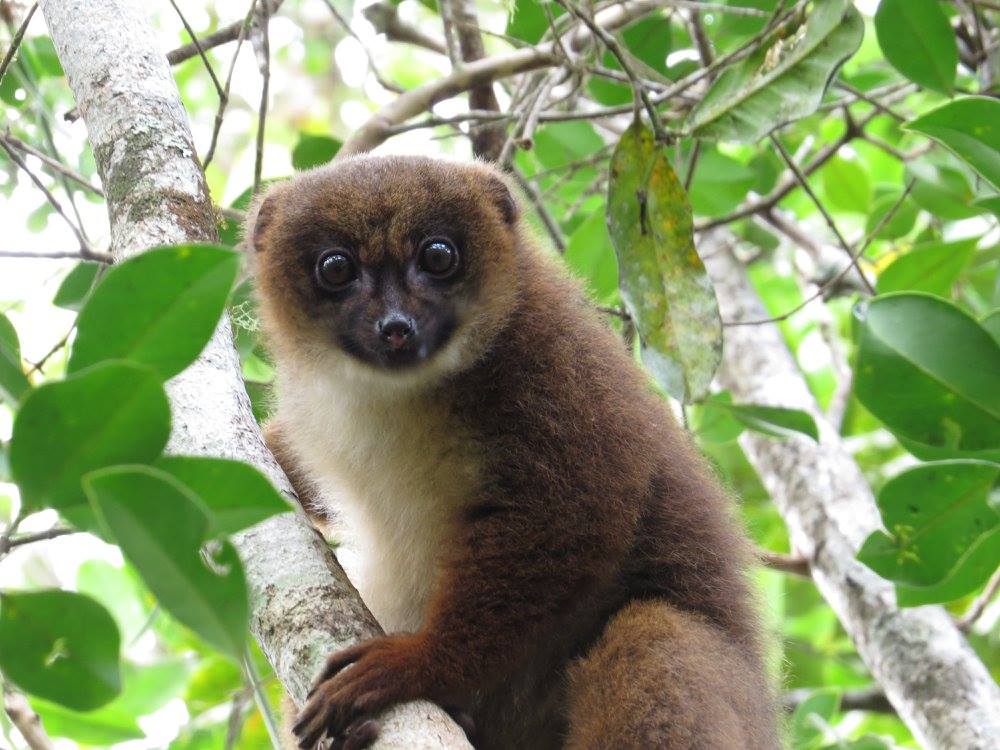
Our primate research examines how individual variation in movement and foraging scales up to shape plant–animal interactions, seed dispersal, and forest community structure. Much of this work has focused on lemurs in Madagascar, where we use individual-level movement, behavioral observations, and plant–lemur interaction networks to examine variation among individuals in foraging strategies, spatial patterns of seed dispersal, and the unequal contributions individuals can make to mutualistic interactions. At broader scales, we are interested in how primates contribute to patterns of tropical forest diversity and regeneration globally, and in the ecological consequences of primate population declines and loss for the plant communities that depend on them.